

Today (Monday, 20 May) is World Bee Day, an annual event that commemorates the birthday of Anton Janša, a beekeeping pioneer and respected bee expert.
The 2026 celebration focuses on “how humans and bees have been working together to nourish and sustain people and the environment,” the Food and Agriculture Organisation of the United Nations said.
The pollinators, which are key to our ecosystem and food supply, have seen their numbers wane by a third in the last 30 years, the RSPCA explained.
And according to the Bumblebee Conservation Trust (BCT), a one to two-kilometre walk could help to keep experts better-informed on how those numbers are doing via a “BeeWalk”.
What’s a “BeeWalk”?
It’s a short, fixed walk – as we said, usually around a kilometre or two, which takes most people about 10-30 minutes depending on the terrain and your usual walking speed.
On a monthly walk from March to October, volunteer BeeWalkers are asked to record the number and types of bees they see on their stroll.
Then, enter these into the BCT’s site to help them have a clearer overview of how the species is doing across the UK.
“The information collected by BeeWalk volunteers is integral to monitoring how bumblebee populations change through time, and allows us to detect early warning signs of population declines, as well as contributing to important long-term monitoring of bumblebee population changes in response to changes in land-use and climate change,” the BCT said.
They added that anyone can become a BeeWalker: “all you need is some basic identification knowledge and a spare few hours or so every month to walk your transect and submit your sightings to the website”.
You can check out their full information page on joining here.
How else can I look after bees this World Bee Day?
Keeping a wildflower-rich garden, especially one that isn’t too short, can help, said the WWF (roll on no-mow May).
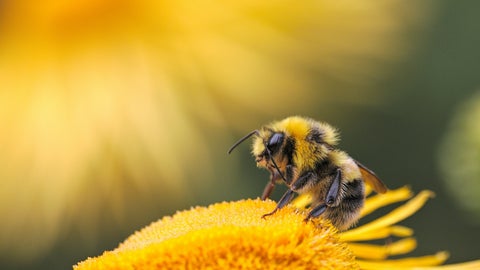
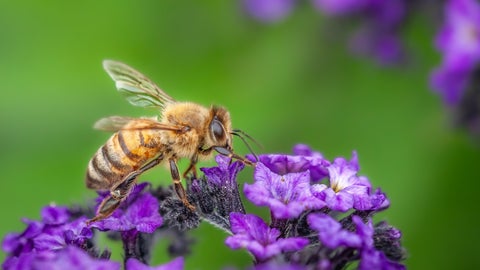
Learning to recognise bees can help too, they added. Though you might think of the classic round, fuzzy, black-and-yellow bumblebee when you imagine the species, there are actually over 200 varieties in the UK, including the all-black ashy mining bee and the “ginger” common carder bee.
Steer clear of weedkillers and pesticides in your garden too, the experts ended. That’s because these can harm bees and might kill some of their food sources, including dandelions, along the way.





 Bengali (Bangladesh) ·
  English (United States) ·